
Ocean art painting: 10 easy techniques for beautiful coastal scenes
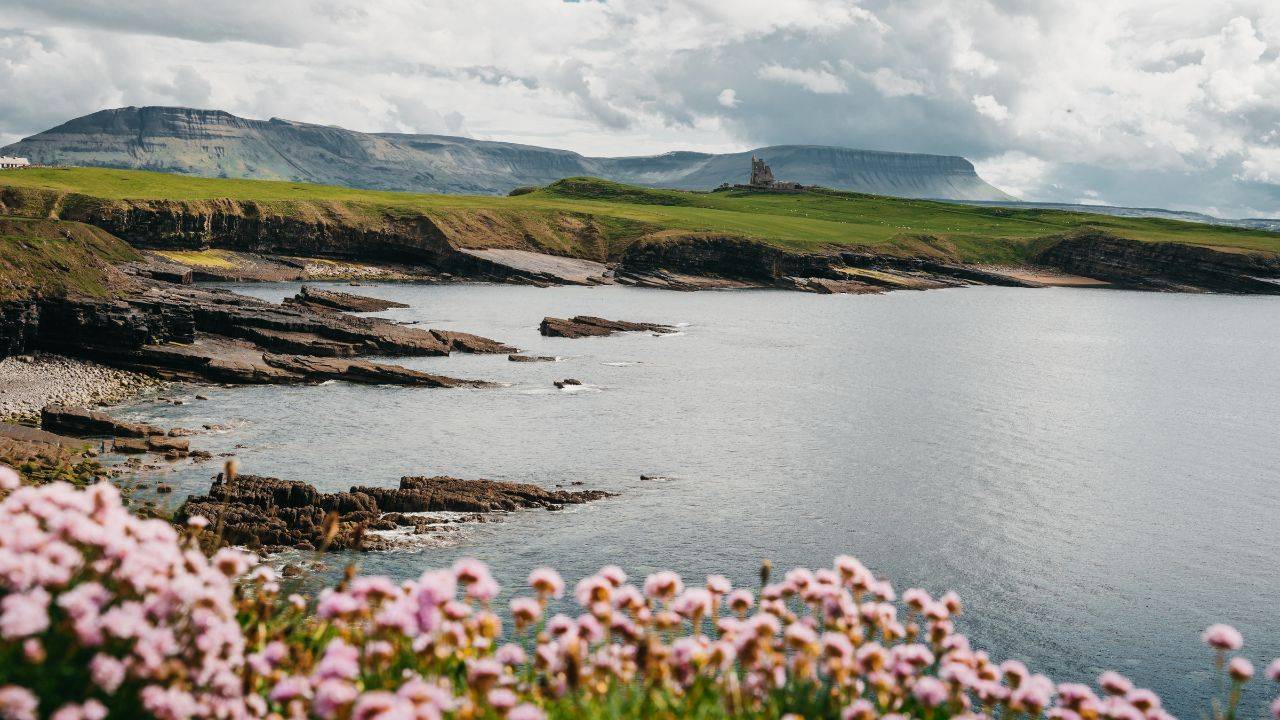
Discover the calming beauty of coastal painting and bring the colors, movement, and wonders of the ocean to life on your canvas.
Have you ever stood along the ocean's edge, watching the waves roll gently onto the shore, and wished you could capture that peaceful moment in a painting?
Maybe it's the soft blues and greens of the water, the warm sand beneath your feet, or the little shorebirds racing along the beach as the waves come and go.
There's something wonderfully calming about the coast.
And the best part? You don't have to live near the ocean or be an experienced artist to bring a little coastal beauty into your life.
Ocean art painting is a beautiful way to explore creativity, reconnect with nature, and enjoy a little peaceful time just for yourself.
Perhaps you're retired, approaching retirement, or finally finding time to return to the art supplies you've tucked away for years.
Whether you're picking up a brush for the first time or rediscovering a lifelong love of painting, the ocean offers endless inspiration.
Let's explore ten simple techniques to help you capture its beauty, one brushstroke at a time.
Why ocean painting is wonderful for your next creative chapter
After years of careers, raising families, and caring for others, many women find themselves longing for something creative and meaningful.
Maybe you've always wanted to learn to paint. Perhaps you loved art years ago but haven't made time for it lately.
Ocean painting is a wonderful place to begin.
The flowing shapes, beautiful colors, and gentle movement of water invite you to experiment without worrying about every little detail.
You can paint a peaceful shoreline, a colorful seashell, a curious sandpiper, or a quiet sunset reflecting across the water.
And each painting becomes an opportunity to slow down, learn something new, and enjoy the creative process.
At Discover the Wild Side, I believe some of life's most meaningful adventures begin when we give ourselves permission to explore what inspires us.
For me, art and nature have always been beautifully connected.
And there's so much inspiration waiting along the shoreline!
Getting started with ocean art painting
Before we explore the techniques, let's talk about supplies.
You don't need an expensive collection of art materials or a large studio.
For beginner ocean paintings, I recommend keeping things simple.
A basic acrylic painting kit might include:
- Blue, white, yellow, red, and brown acrylic paints
- A few flat and round brushes
- A small canvas or acrylic painting paper
- A palette for mixing colors
- A water container and painting rag
- A pencil and an inspiring reference photo
Acrylics are my favorite medium for nature-inspired painting because they're versatile, relatively affordable, and easy to layer.
Watercolors are another lovely choice, especially if you enjoy soft, flowing colors.
Find a comfortable place with good lighting, put on some relaxing music or ocean sounds, and let yourself enjoy a little creative escape.
10 ocean art painting techniques for beginners and returning artists
You don't have to master every technique at once.
Choose one or two that interest you, try them in a small painting, and build your confidence as you go.
Remember, every brushstroke is an opportunity to learn.
1. Blend ocean colors to create depth
One of the most beautiful things about the ocean is its changing colors.
Near the shoreline, water may appear pale turquoise or soft green. Farther out, it can shift into deeper blues.
You can recreate that feeling by blending several shades of blue and green.
Start with a medium blue and gradually add white to create lighter colors. For deeper water, experiment with darker blues and a touch of green.
Try blending the colors while the paint is still wet so the transitions look smooth.
Creative tip: Paint three horizontal bands of ocean color on a small canvas, then gently blend where they meet.
Don't worry if the colors aren't exactly like your reference photo. Let your own artistic style shine through.
2. Capture the sparkle of sunlight on water
Have you ever noticed how sunlight dances across the ocean?
Those tiny flashes of light can make a painting feel alive.
To capture this effect, begin with your ocean background and allow it to dry.
Then use a small brush to add short, broken strokes of pale blue, white, or soft yellow where the sunlight touches the water.
Keep the marks irregular. Some should be wider, while others are barely noticeable.
Remember that light often appears brightest where the sun reflects toward the viewer.
Creative tip: Use the side of a small flat brush to add scattered highlights across the water.
A few simple strokes can create a beautiful sense of shimmer and movement.
3. Paint gentle waves with flowing brushstrokes
Water is constantly moving, but that doesn't mean every ocean painting needs enormous crashing waves.
In fact, gentle waves are a wonderful subject for beginners.
Start by painting the main ocean colors.
Then use long, slightly curved brushstrokes to suggest the direction of the water.
For waves closer to shore, add a little white or pale blue along the upper edges.
Try varying the size and spacing of your strokes to make the waves feel natural.
Creative tip: Practice painting five simple waves on a scrap piece of paper before adding them to your canvas.
You'll begin to notice how the movement of your brush can suggest the movement of water.
And remember, a peaceful ocean scene can be just as captivating as a dramatic one.
4. Create reflections and transparent water
Shallow coastal water has a special beauty.
You may see sand, stones, or shells beneath the surface, while the light creates delicate patterns above them.
To suggest transparent water, use thin layers of color rather than covering everything with thick paint.
With acrylics, mix your paint with an appropriate glazing medium or use carefully controlled, thin layers. Let each layer dry before adding another.
You can also use soft, broken brushstrokes to suggest reflections moving across the surface.
Creative tip: Try painting a small tide pool with a few stones beneath the water.
It's a lovely exercise in observing how colors and shapes change when viewed through water.
5. Bring coastal wildlife into your painting
This is one of my favorite parts of nature-inspired art!
The ocean is home to an amazing variety of wildlife, from tiny hermit crabs and playful shorebirds to seals, sea turtles, and whales.
With my background in wildlife biology and natural history, I love learning about the creatures we're painting.
For example, sandpipers often scurry along the shoreline, searching for small invertebrates in the wet sand. Their quick movements and delicate shapes make them charming painting subjects.
A baby harbor seal resting along a rocky coastline can also make a beautiful, peaceful composition.
When painting wildlife, begin with the larger shapes of the animal before adding details.
Look carefully at its proportions, colors, and surroundings.
Creative tip: Choose one coastal animal as your main subject and keep the background simple.
Sometimes a single little shorebird tells a more interesting story than a complicated scene filled with details.
6. Use contrast to define rocks, beaches, and shorelines
Contrast helps separate the different parts of your coastal painting.
Imagine a rocky shoreline where dark cliffs meet pale sand and sparkling blue water.
The differences between light and dark help create depth and guide your eye through the scene.
For rocky cliffs, begin with darker colors and gradually add lighter highlights to suggest sunlight hitting the edges.
For sandy beaches, use softer browns, creams, and pale yellows.
You can also use a little blue or lavender in the shadows to create interest.
Creative tip: Choose one area of your painting to have the strongest contrast, such as where white ocean foam meets a dark rock.
This creates a natural focal point without overwhelming the composition.
7. Experiment with texture
Nature is full of wonderful textures.
Think of rough coastal rocks, smooth seashells, rippled sand, and frothy ocean waves.
You can create these textures with different brushes and painting tools.
Try dabbing with a small sponge to suggest seafoam or using a dry brush to add rough edges to rocks.
A palette knife can create thicker, textured marks that resemble crashing waves or rugged cliffs.
You can even use an old brush to lightly stipple paint onto a sandy beach.
Creative tip: Make a little texture practice page before beginning your painting.
Experiment with several tools and see what interesting marks you can create.
Sometimes the most unexpected brushstrokes become your favorite part of a painting!
8. Build your painting from background to foreground
One of the techniques I teach in my Paint the Wild painting sessions is working from the background forward.
This makes even complicated subjects feel more manageable.
For a coastal landscape, begin with the sky and distant ocean.
Next, paint the middle ground, such as waves, rocks, or the shoreline.
Finally, add the foreground details, perhaps a seashell, beach grass, or curious little sandpiper.
Working in layers helps create depth and keeps you from getting lost in the details too early.
Creative tip: Before you begin, identify the three main areas of your painting: background, middle ground, and foreground.
You don't need to finish every tiny detail before moving forward. Let your painting gradually come to life.
9. Use the horizon line to create balance
The horizon is where the ocean appears to meet the sky.
Its placement has a big influence on how your painting feels.
A low horizon gives more room to the sky, making it perfect for colorful sunsets or dramatic clouds.
A higher horizon allows the ocean and shoreline to become the main focus.
For a peaceful coastal scene, you might place the horizon around the upper third of your canvas.
Keep it level unless you're intentionally creating a tilted composition.
Creative tip: Sketch three small thumbnail compositions with different horizon positions.
Notice how each version changes the mood of the scene.
This simple exercise can help you make more confident choices before you begin painting.
10. Give your painting room to breathe
Sometimes what you leave out is just as important as what you paint.
Artists call this negative space, the areas surrounding your main subject.
Imagine a tiny sandpiper standing at the edge of a wide, peaceful beach.
If you fill every inch with shells, rocks, waves, and other details, the little bird may get lost.
But when you leave some open sand or water around it, the bird becomes the star of the painting.
Negative space also gives your artwork a calmer, more spacious feeling.
Creative tip: Try painting a single seashell on a quiet beach with soft ocean colors in the background.
Let simplicity become part of the beauty.
You may be surprised by how peaceful a painting can feel when you don't try to include everything.
Find coastal inspiration wherever you live
You don't have to live near the ocean to enjoy painting coastal scenes.
You can use photographs from past vacations, nature documentaries, or reference images of your favorite beaches and coastal wildlife.
If you have the opportunity to visit the coast, bring along your camera or a small sketchbook.
Notice the shifting colors of the water, the patterns in the sand, and the fascinating behaviors of shorebirds and other wildlife.
These little observations can become wonderful painting ideas later.
You might also enjoy exploring nature journaling as a creative way to observe and sketch the natural world.
It's a lovely way to collect colors, sketches, and memories that can inspire your future artwork.
Make ocean painting part of your weekly creative rhythm
One thing I've learned from painting regularly is how much confidence can grow when you simply keep showing up.
Over the past year, my mom and I have painted together almost every week through Zoom.
Looking back at our paintings, I can see how our skills have improved, from blending backgrounds to adding depth and small details.
More importantly, we've enjoyed meaningful time creating together.
That's what I hope you'll discover through painting, too.
You don't have to finish a masterpiece every week.
Maybe this week you practice ocean waves. Next week you paint a little shorebird. Another week you experiment with reflections or a coastal sunset.
Little by little, your skills and confidence can grow.
And your creative time becomes something wonderful to look forward to.
Come paint the wild side of the coast with us
Coastal Charm is one of the nature-inspired themes we've explored inside my Paint the Wild online artist community.
From adorable shorebirds to beautiful ocean scenes, these subjects invite us to discover the wonders of coastal habitats while building our painting skills.
Inside the community, we gather for weekly live painting sessions, relaxed Creative Nights, and opportunities to connect with other women who love art and nature.
I guide you step by step, from sketching and painting the background to adding the finishing details.
And because our Wednesday painting sessions are recorded, you can revisit the lessons and paint at your own pace.
You don't need to be an experienced artist or have a fancy home studio.
Just bring your paints, a little curiosity, and a willingness to try.
Your next creative adventure is waiting
Whether you're 60, 70, 80, or simply ready for more creativity in your life, ocean art painting is a beautiful way to explore something new.
Let yourself experiment with color, movement, texture, and light.
Paint the ocean as you remember it, as you see it, or as you imagine it.
And don't worry about making every wave perfect.
Nature doesn't create two identical waves, and your paintings don't need to look exactly like anyone else's either.
Your next chapter can be full of creativity, curiosity, and beautiful new discoveries.
So grab your brush, bring a little coastal charm into your day, and let your inner artist come out and play.
I hope to see you painting with us!
Warmly,
Glenda Crawford
Artist • Naturalist • Creative Life Guide
Discover the Wild Side
